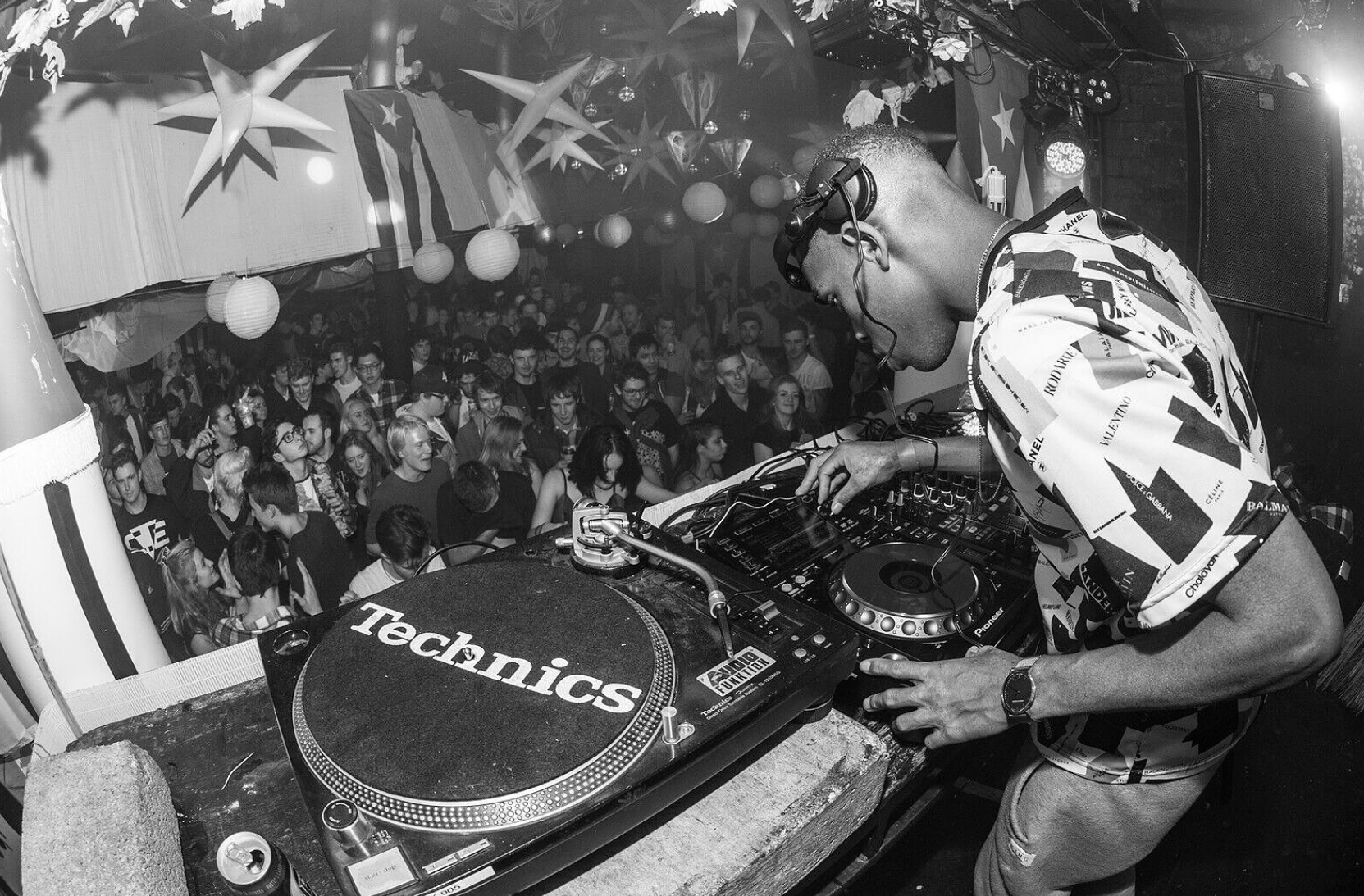
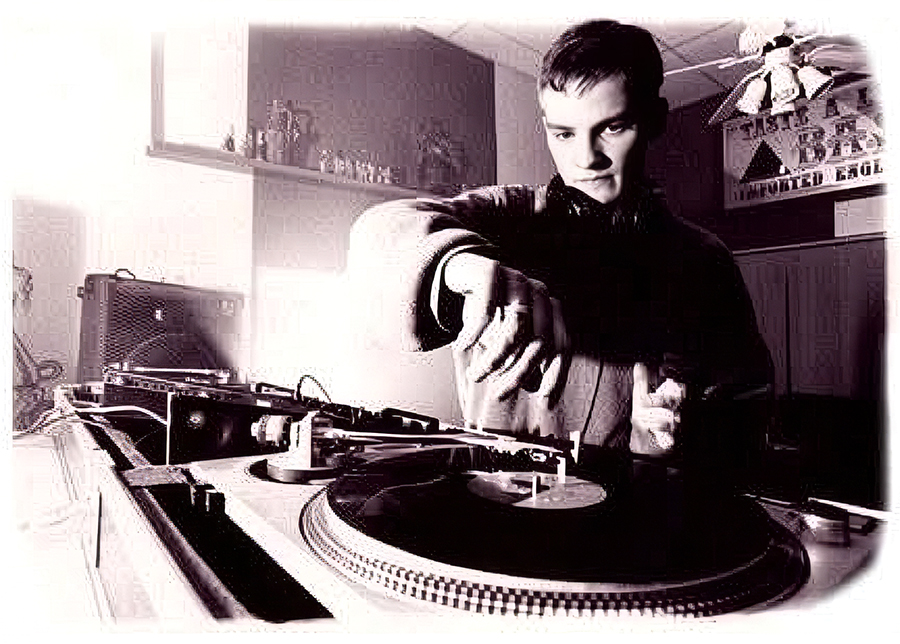
Headfirst Bristol / Lakota · Photographer credit to be confirmed
BY SEAN SULLIVAN · THE DJ DIRT
THE LAST BARRIER
AI Music, One-Off Vinyl, and the Quiet Disruption That’s Been Reshaping Electronic Music for More Than Two Decades.
Electronic music is approaching a crossroads. And it isn’t simply about someone typing a few words into a computer and generating a house track.
For more than twenty years, a profound transformation has been unfolding beneath the surface of electronic music culture. Slowly, almost imperceptibly at first, the barriers that once governed who could create music, how it reached an audience, and what it took to put a record into someone’s hands have been steadily eroding.
Those barriers weren’t always fair. They excluded talented artists, restricted access and placed enormous financial demands on independent producers and labels. But they also established certain thresholds of commitment, craftsmanship and investment that helped shape the culture itself.
Like a seawall gradually weakened by a rising tide, those longstanding boundaries have been giving way, one after another. Digital distribution dismantled scarcity. Affordable production technology opened the studio to almost anyone. And now, artificial intelligence and new manufacturing methods are accelerating the process beyond anything the industry has previously experienced.
What once unfolded over decades is now happening almost simultaneously.
While DJs, producers and record labels argue over the legitimacy of AI-generated music, the deeper transformation is reaching a critical point. The traditional relationships between artistic skill, production, distribution, physical ownership and cultural credibility are being fundamentally rearranged.
The consequences extend far beyond the question of who gets to make a record. They reach into virtually every corner of electronic music, from the bedroom producer and independent label to the record shop, the nightclub and the DJ booth.
And for an industry built on technological innovation, the direction of this next chapter is remarkably uncertain.
The barriers aren’t simply being challenged anymore. They’re coming down.
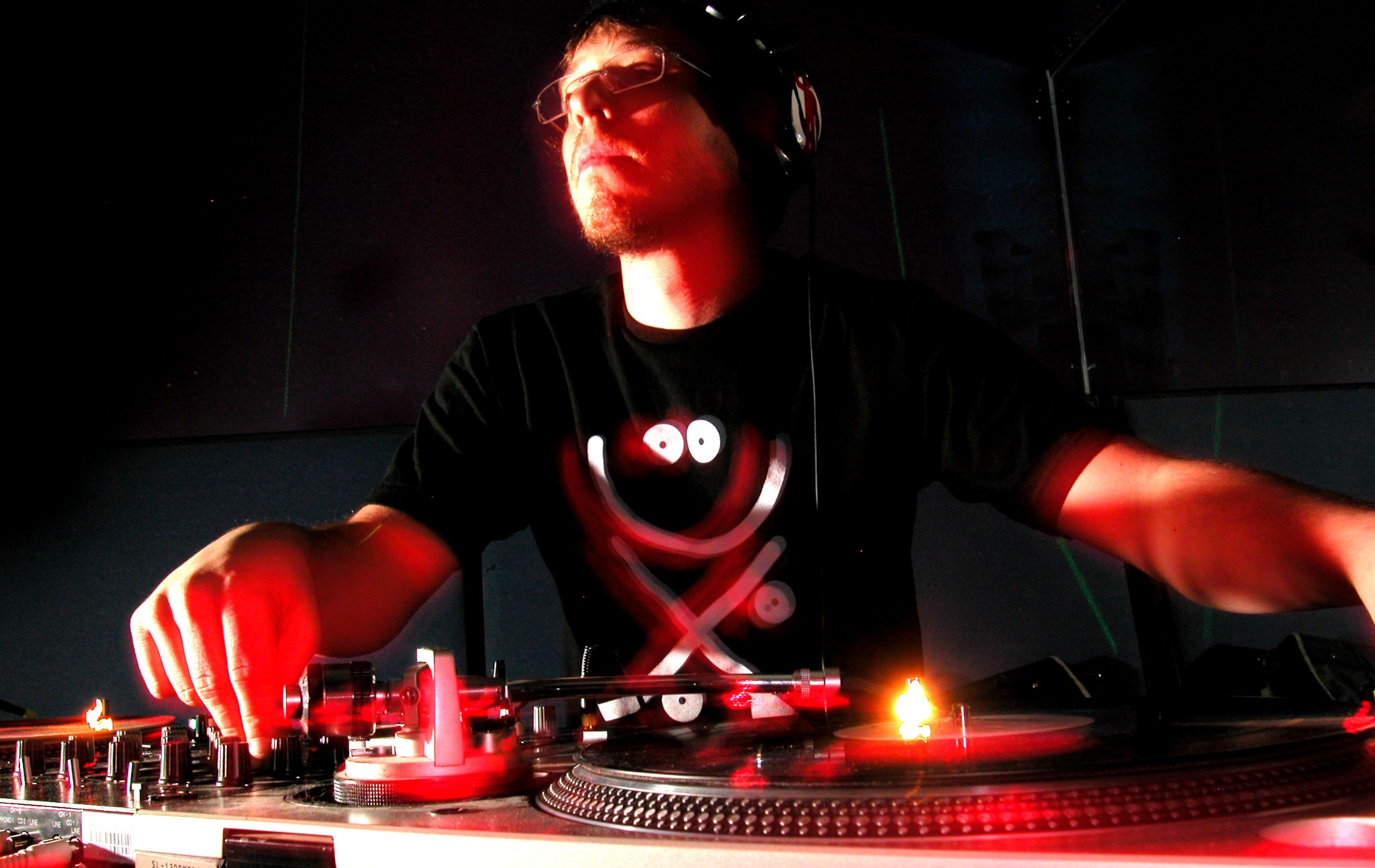
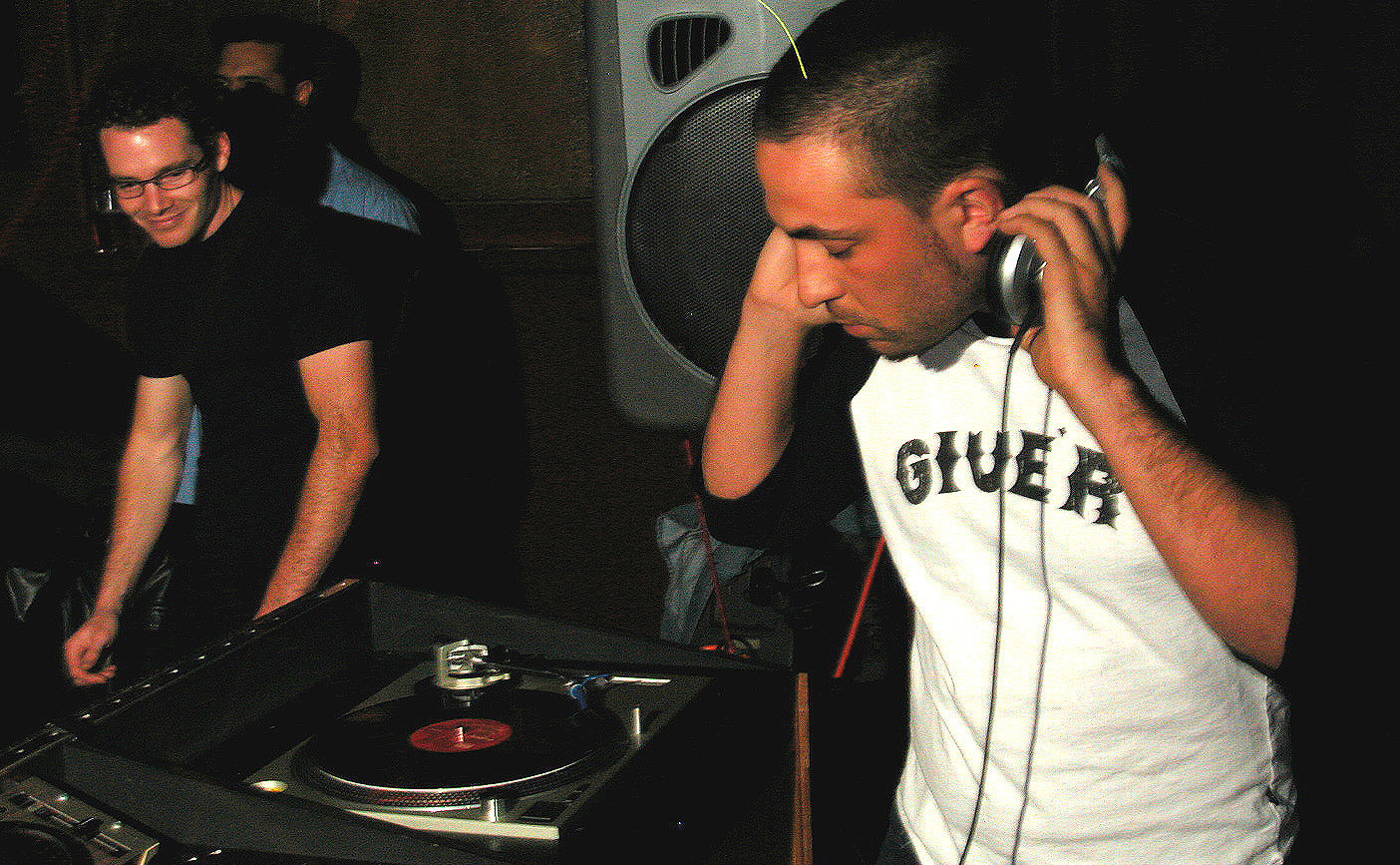
James Curd / Greenskeepers · Seattle · Photo: @sulliphotoz
I. THE DEATH OF SCARCITY
There was a time when hearing an extraordinary record in a nightclub didn't mean you could ever own it.
Maybe it was a white label pressed in a run of 500. Maybe it was an obscure Chicago house record distributed through a handful of shops. Perhaps only a thousand copies existed, and every one of them had already been sold.
Finding that record meant tracking down distributors, calling shops, trading with other DJs or knowing somebody who knew somebody.
Sometimes the only way to acquire a record was to persuade another DJ to surrender theirs.
Scarcity wasn't incidental to underground electronic music. It was part of the architecture of the culture.
A DJ's collection represented years of searching, traveling, listening and developing relationships. Two DJs with identical musical tastes could have completely different collections because access depended on geography, connections, timing and luck.
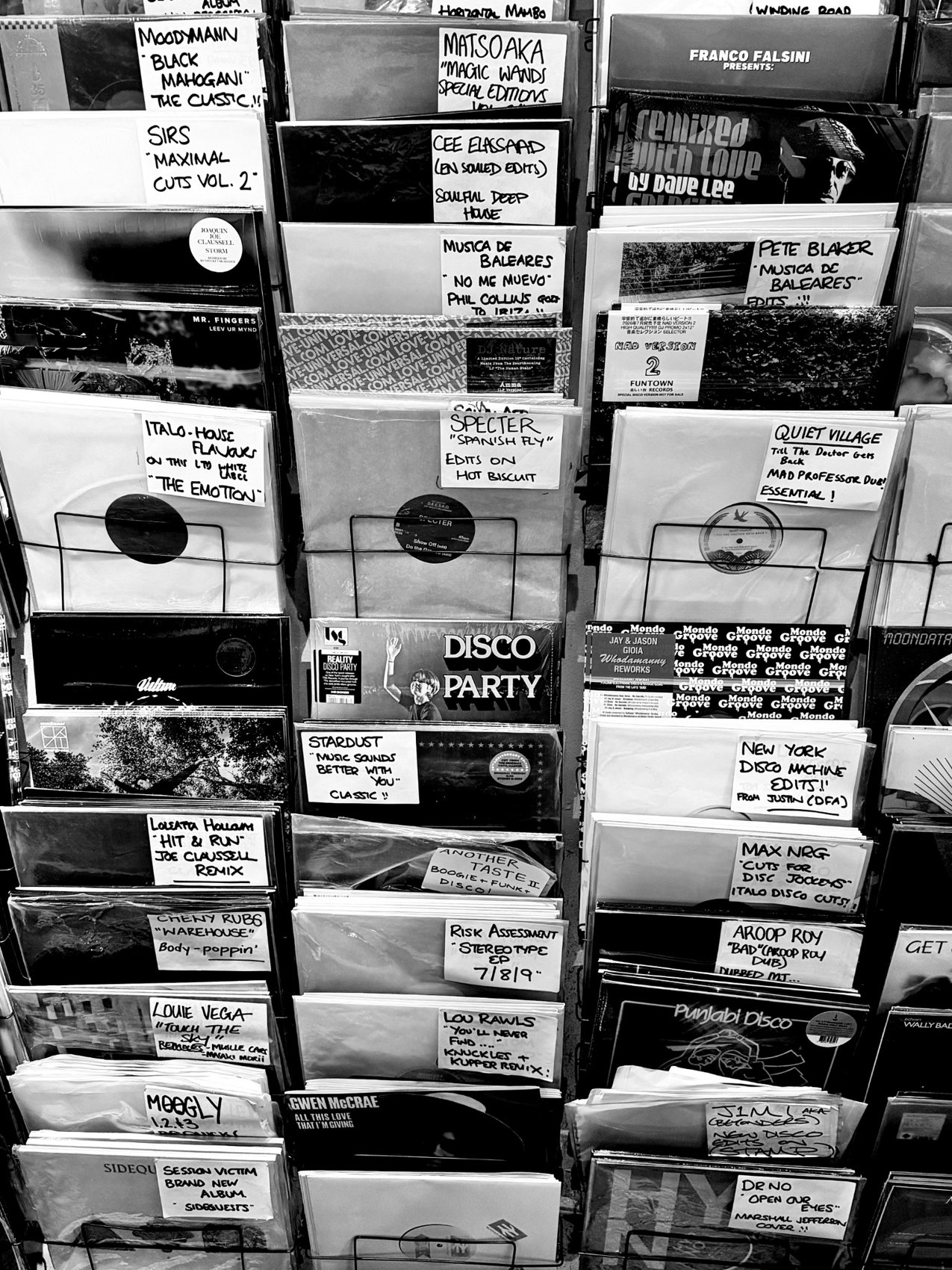
Record-store crates — the culture of digging, discovery, and scarcity.
That exclusivity helped shape individual sounds. Owning an obscure record meant something because nobody else could simply download the same track five minutes later.
The scarcity began at the pressing plant.
Traditional vinyl manufacturing required mastering, lacquer cutting, electroplating, stampers, manufacturing and distribution. Even a modest run could cost thousands of dollars before a single record was sold.
That expense created a barrier. It didn't guarantee quality, and it certainly excluded talented producers without financial resources. But it imposed a physical and economic limitation on what could reach the marketplace.
Then digital music destroyed that limitation.
Napster demonstrated how easily recordings could circulate beyond the industry's control. Beatport and other digital retailers subsequently established a legitimate global marketplace where producers could release tracks without pressing records and DJs could purchase them instantly.
The implications went far beyond convenience.
A lossless digital file can be copied indefinitely without degrading its audio quality. The thousandth copy is identical to the first. Nobody has to give up their copy so somebody else can have one.
The physical scarcity that once defined recorded dance music is gone. And it isn't coming back.
Digital distribution democratized electronic music. Independent artists gained access to global audiences. DJs could discover recordings from places they might never visit. The advantages were enormous.
But the trade-off was permanent.
The rare record, the elusive import, the white label that only a handful of DJs possessed: these no longer represent the organizing principle of the industry.
Music has become effectively unlimited in its reproducibility.
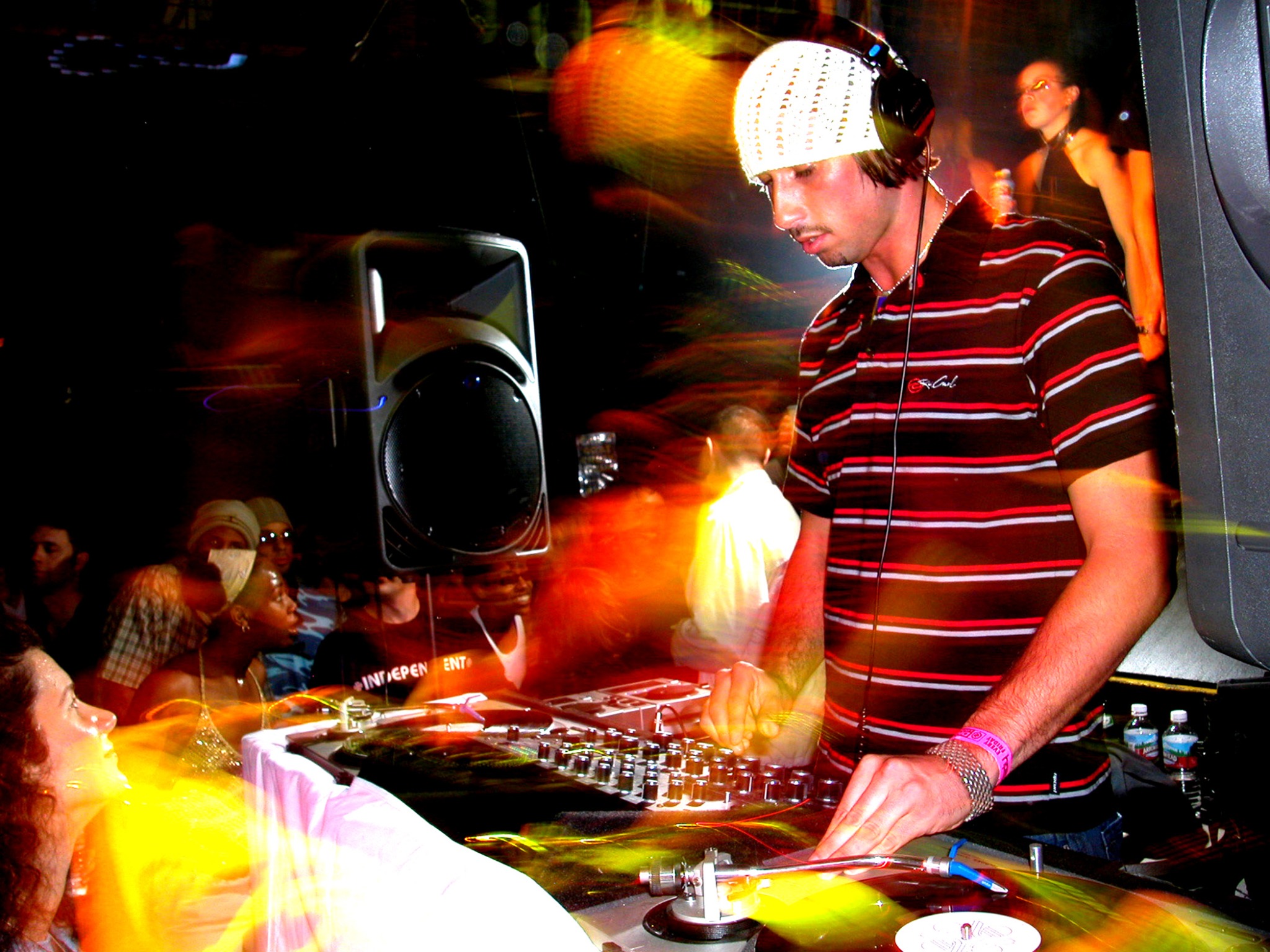
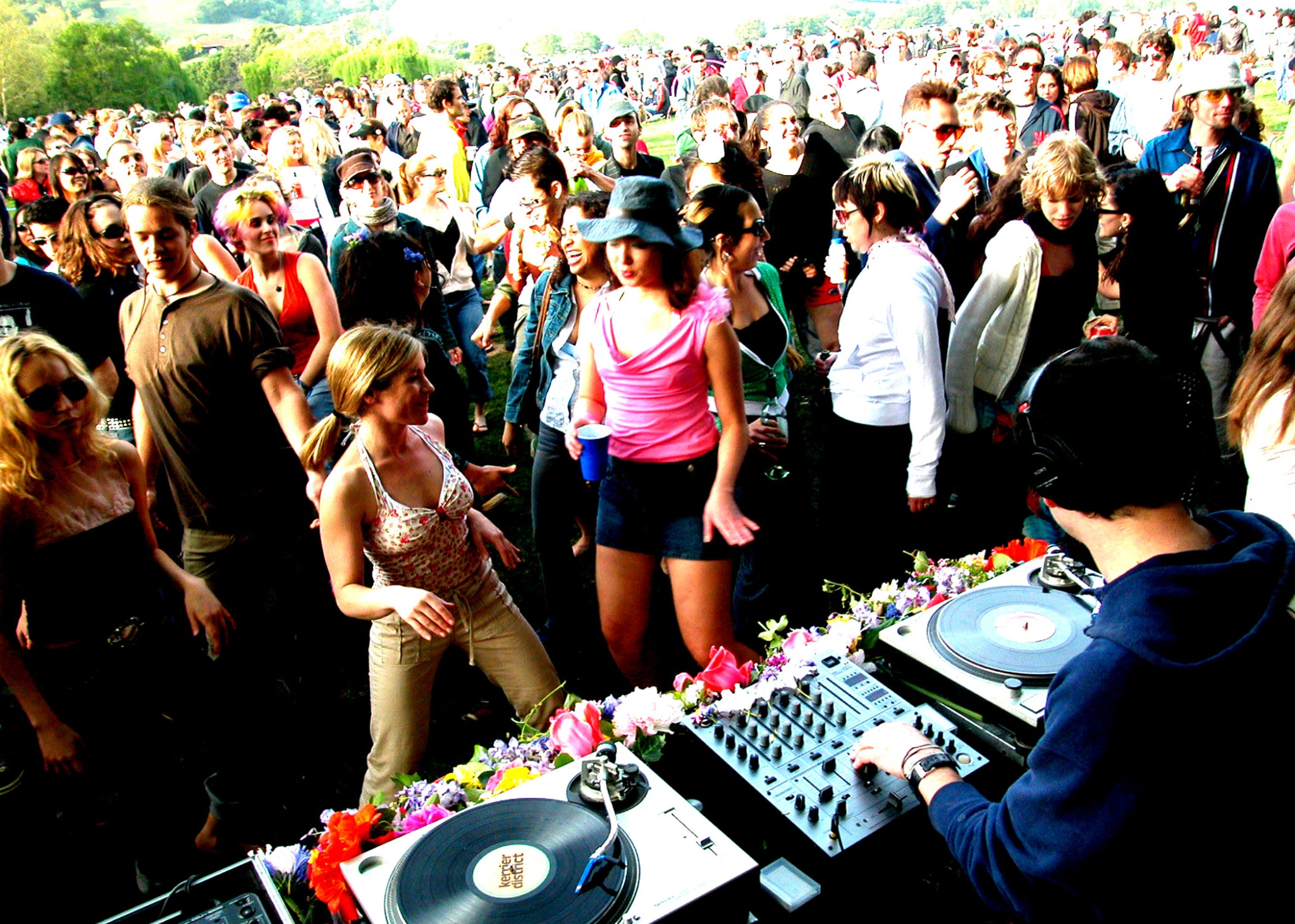
Sunset Party · San Francisco · Photo: @sulliphotoz
And once that happened, the next question was inevitable.
What happens when making the music becomes almost as easy as distributing it?
II. FROM THE STUDIO TO PROMPT-TO-PUBLISH
Electronic music producers have been using computers for decades. Drum machines, samplers, sequencers and digital workstations have repeatedly changed what musicians can accomplish without conventional instruments or recording studios.
Every major development produced arguments about authenticity.
Sampling wasn't musicianship. Drum machines weren't real drummers. Laptop producers weren't real producers.
The arguments changed. The technology kept moving.
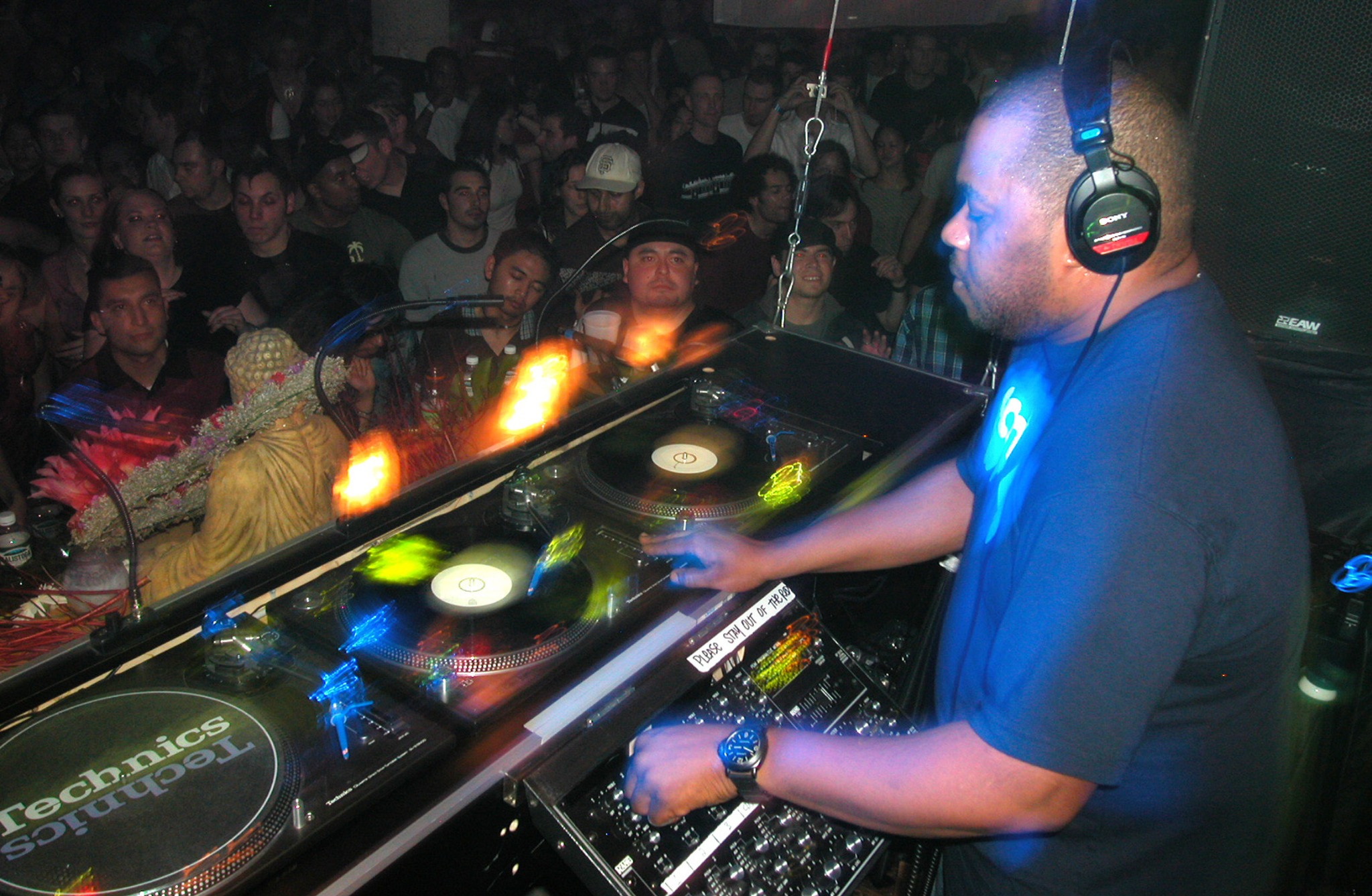
Derrick Carter · San Francisco · Photo: @sulliphotoz
Generative AI is different in one critical respect: it can produce complete recordings rather than simply provide tools for constructing them.
Platforms such as Suno and Udio allow users to describe a musical style, tempo, arrangement or vocal performance and receive a finished recording within minutes.
Some results are mediocre. Others are remarkably convincing. And the technology continues to improve.
That creates a distinction the industry needs to understand.
Prompt-to-publish describes a process in which someone enters instructions, generates a complete recording and releases it with little or no additional musical production.
The composition, performance, arrangement and engineering are largely delegated to software.
That is fundamentally different from AI-assisted production.
A producer might spend weeks constructing a track in Ableton, programming drums, designing synthesizers and arranging the composition, then use AI to generate a vocal performance. Another might generate a short musical phrase, manipulate it, resample it and build an entirely original arrangement around it.
These approaches involve different levels of human creativity and control. Treating them as interchangeable is intellectually lazy.
Yet much of the hostility toward AI music makes little distinction between them.
The opposition is real, and some of it is entirely justified.
Musicians have legitimate concerns about unauthorized training data, compensation, ownership and the displacement of working artists. Record labels have pursued major copyright lawsuits. Producers question whether someone who generates a finished track through a prompt should be regarded as a musician.
But these are separate arguments, and lumping them together obscures what's actually happening.
As The DJ Dirt previously reported in its investigation of Stability AI, generative systems can be developed using licensed training material. That doesn't settle the question of artistic legitimacy, but it challenges the idea that generative music must necessarily depend on unauthorized use of copyrighted recordings.
The industry can fight over licensing, authorship and compensation. Those questions matter.
What it cannot do is argue the technology back out of existence.
And here's the more consequential development.
For decades, producing a commercially convincing electronic music track required technical knowledge, experience, equipment and time. Generative AI is reducing those requirements at an extraordinary rate.
It doesn't give somebody good taste. It doesn't guarantee originality. And it doesn't make a person understand what happens on a dancefloor at three in the morning.
But it can give someone with little conventional production experience access to a level of technical polish that previously demanded years of practice.
That's not a minor improvement in music software. It's a fundamental change in who can participate.
Digital distribution already made releasing music inexpensive. AI is making the production of that music increasingly accessible.
The potential supply of recordings is no longer constrained by the same requirements of time, skill and labor.
And just as this transformation accelerates, another barrier is disappearing.
The one that once separated a digital recording from a physical record.
III. THE ONE-OFF VINYL REVOLUTION
For most of vinyl's history, pressing a single record made little economic sense.
Traditional manufacturing requires a lacquer or Direct Metal Mastering cut, metal parts produced through electroplating, and stampers installed in a hydraulic press. Those preparations cost money regardless of whether the manufacturer ultimately produces 100 records or 1,000.
That made vinyl a format built around manufacturing runs, not individual orders.
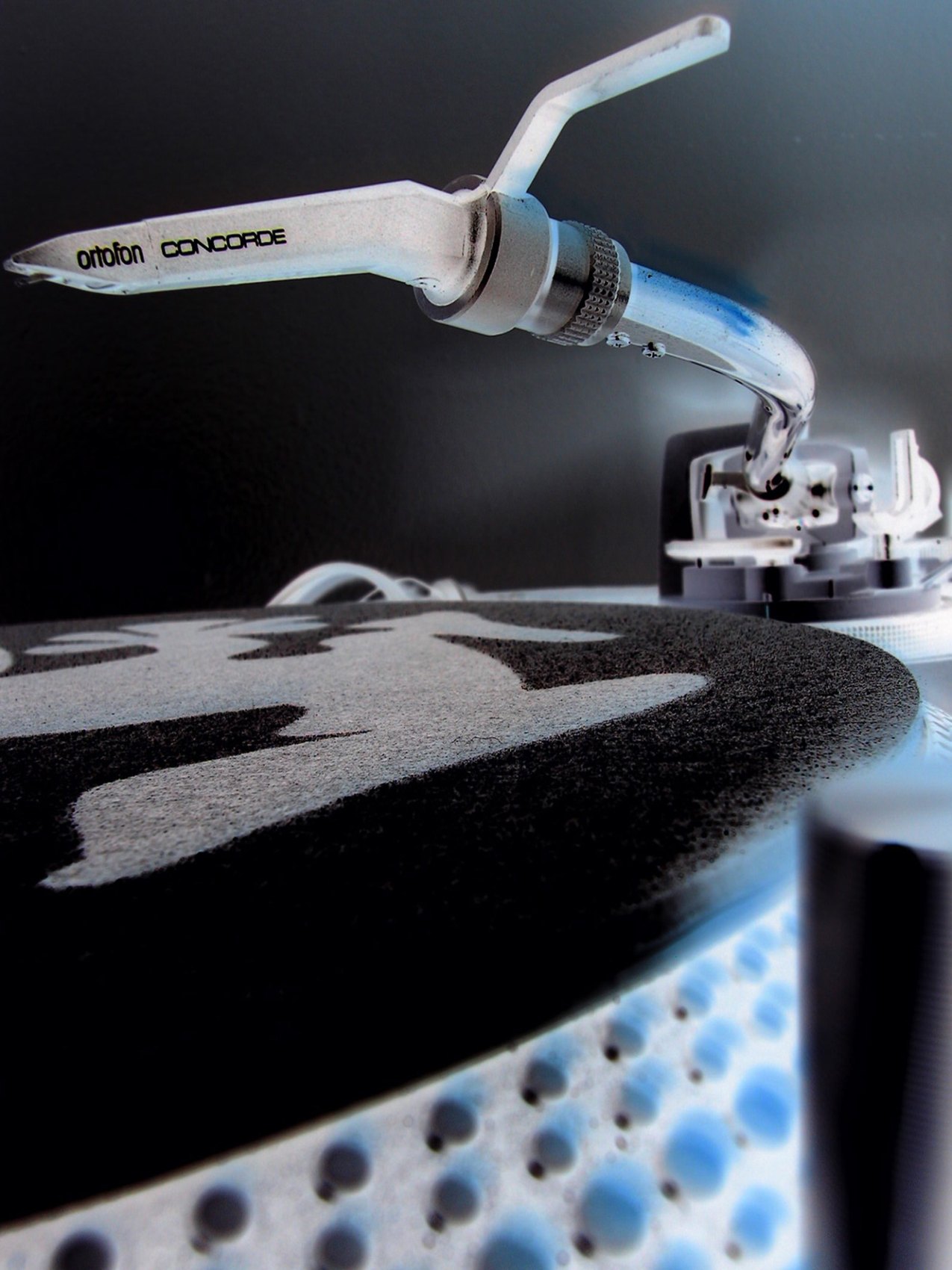
Ortofon Concorde cartridge — the physical interface between a record and the sound system.
Dubplates and individually cut records have long provided alternatives, particularly in dance music. But these generally involved specialist equipment, relatively high per-copy costs and their own compromises in materials or durability.
Now companies are industrializing the one-off model.
British manufacturer elasticStage is among the most significant.
Its on-demand service allows artists to upload music and artwork, offer physical records for sale and have copies manufactured only when customers order them.
No conventional pressing run. No minimum inventory commitment. No warehouse full of unsold records.
One customer orders one record. One record gets made.
The technology behind that process deserves attention.
elasticStage uses a proprietary manufacturing method and PETG-based material rather than the conventional PVC pressing process. Its published patent documentation describes methods of forming record grooves without the traditional sequence of lacquer cutting, electroplating and metal-stamper production.
The precise details of its commercial machinery are not fully public, and patent descriptions shouldn't be mistaken for independent verification of production methods.
But the economic result is unmistakable.
The minimum pressing run, one of vinyl's most persistent financial barriers, is no longer a prerequisite for manufacturing a playable physical record.
And the distribution industry has noticed.
SoundCloud offers an on-demand vinyl service in partnership with elasticStage. Independent distributor Amuse announced its own elasticStage integration in February 2026, describing the service as live for its subscribers.
Artists can increasingly approach physical manufacturing through the same digital infrastructure they already use to distribute their music.
Suno has also announced plans to let users turn AI-generated tracks into custom physical records.
That doesn't mean Suno's proposed service and the existing elasticStage partnerships are identical, or that every announced service is fully operational. But the direction is unmistakable.
Physical manufacturing is moving closer to an upload-and-order process.
Olivier Desmet · Reno, 1992 — the hands-on craft of electronic music.
But Does It Sound Like Vinyl?
This is where the promise deserves scrutiny.
A record manufactured individually through a proprietary process is not necessarily equivalent to a conventionally pressed PVC record.
Different materials and groove-forming techniques raise legitimate questions about surface noise, playback level, bass response, tracking, durability and consistency.
Those questions matter particularly to electronic music DJs, whose records must perform reliably through powerful sound systems.
I recently tested the promise firsthand, ordering three records from elasticStage for nearly $100, with the intention of evaluating their suitability for professional DJ playback. The ability to obtain individual records without financing a conventional pressing run was impressive. The sound on the copies I received, however, left me feeling a bit underwhelmed.
There is an important technical caveat: SoundCloud’s own preparation guidance for its elasticStage vinyl service describes trade-offs between side length, bass content and playback level. It also advises artists to consider vinyl-specific mastering and playback compatibility. The source material and mastering choices therefore matter, regardless of how a record is manufactured.
The distinction remains critical: removing the financial barrier to manufacturing does not automatically remove the technical challenges of producing a record that meets a professional DJ’s expectations.
Cost is another consideration.
One-off manufacturing eliminates the need to invest in hundreds of copies, but individual records can remain expensive compared with the per-unit cost of a conventional pressing run.
For labels expecting to sell substantial quantities, traditional pressing may still be preferable.
For somebody who wants a single physical copy, however, the economics have changed completely.
And that is the real breakthrough.
Vinyl manufacturing no longer has to begin with a financial gamble on hundreds of records.
It can begin with one order.
Vinyl as Rebellion
Not everyone sees vinyl as simply another format for distributing music.
For many underground DJs, it represents independence from algorithms, corporate platforms and the increasingly automated machinery of the music industry.
Veteran underground DJ and producer Jay Tripwire recently articulated that position in an Instagram statement:
“A lot of us are trying to keep our music away from big tech by doing vinyl only.”
Tripwire draws a distinction between the underground movement he identifies with and the commercialized festival culture he rejects.
“Vinyl isn’t this cool niche to be cool and old school - it is literally the rebellion.”
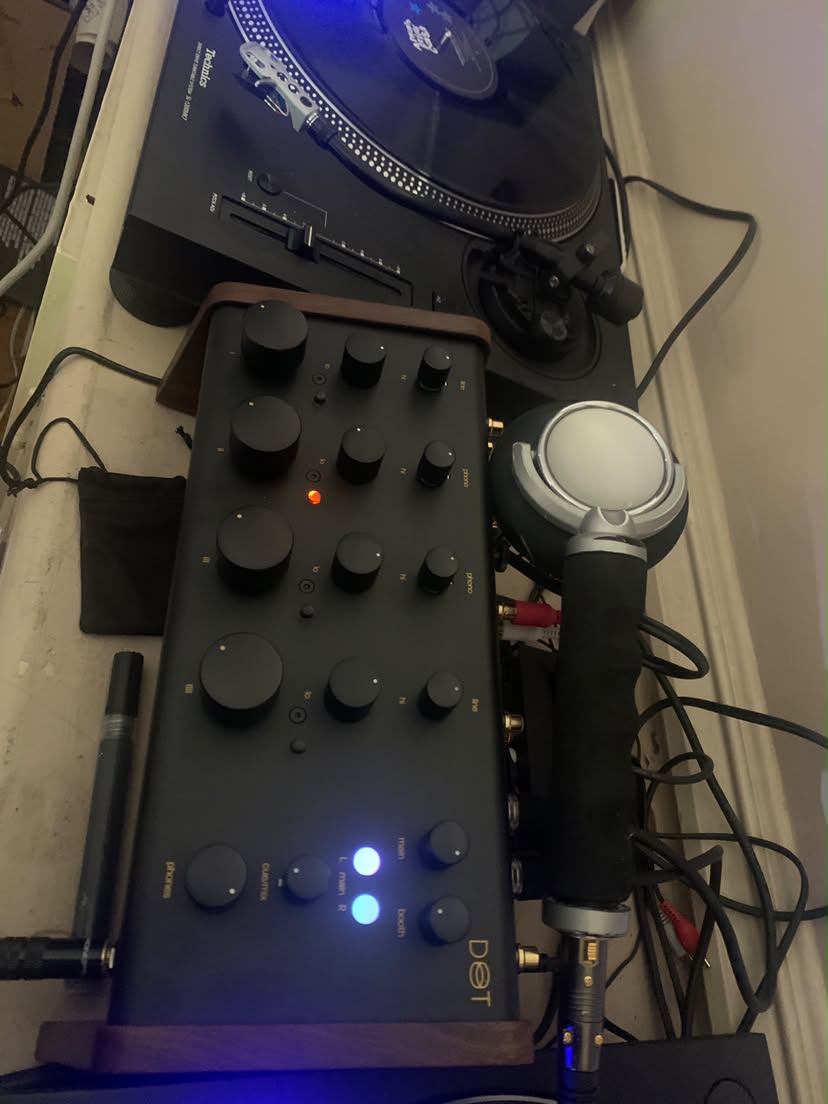
Jay Tripwire’s custom DOT rotary mixer, built by Kamilescu · Image supplied by Jay Tripwire
But speaking directly with The DJ Dirt, Tripwire made another important point. Underground DJs aren't simply defending a physical format. They're watching the artists behind the music.
He described the importance of “our watchful eyes.”
“I'm a fan of the people who make the records I play. I see their studios on my Instagram.”
He also follows their performances, observing them playing records or performing live at their gigs.
“And I’m always curious what gear they use.”
For Tripwire, this isn't simply about verifying how an artist makes their music. It's about finding a community of people who share his approach to making and playing it.
“I find the stuff I like to buy and play is coming from like minded people. Gear head vinyl DJs.”
He's not just collecting music. He's supporting the people and the culture that produces it.
That emphasis on artistic credibility is visible elsewhere in electronic music. In September 2026, Mau P publicly walked through his Ableton project for “Just A Little Bit More” after online speculation about ghost production. Separately, HUGEL explained how AI-generated source material figured in the development of “Movin’ to the Sun,” while detailing the additional production and recorded vocals involved in the finished track. The episodes raise different questions, and neither online speculation nor the use of AI-originated material is, by itself, evidence of misconduct. Both illustrate how closely audiences now scrutinize the process behind a recording.
The larger point is that audiences are paying attention to more than the finished recording. The artist's methods, history and credibility increasingly influence how their work is received.
For Tripwire, that accountability extends beyond the studio.
He believes the entire underground music economy should operate according to a principle he calls FUBU: For Us, By Us.
“I also think it’s important for a FUBU system the whole way.”
He continued:
“Everyone involved in this chain is one of us.”
When asked who that includes, he identified the businesses that make physical music possible:
“Stores, distributors, mastering, vinyl factory, artist, labels. It’s all run by us. Not ‘them’.”
He's describing an interconnected economy of artists, labels, mastering engineers, pressing plants, distributors and record shops. One in which the money generated by underground music continues circulating among the people who sustain it.
And he extends that philosophy to the equipment itself.
“Even my DJ mixer is hand built, by Kamilescu at Dot.”
JAY TRIPWIRE
Jay Tripwire · Photo supplied for editorial review
For Tripwire, supporting independent music means supporting the people who build the tools, manufacture the records and operate the businesses behind it.
He summarized the economic principle directly:
“Give our people the money that we earn at gigs and on records and keep that ecosystem looped.”
And then:
“Live in our own commerce ecosystem.”
“Thats how we take money away from the overlords.”
“Feed our own people.”
The philosophy is straightforward. Money earned within underground music should help sustain underground music.
And that introduces an uncomfortable question about the new manufacturing revolution.
On-demand services promise to remove barriers that have excluded independent artists for decades. But if manufacturing, sales and distribution increasingly flow through large technology platforms, who controls the infrastructure? Who captures the revenue? And what happens to the independent businesses that have supported underground music for generations?
Accessibility and independence are not necessarily the same thing.
There is also a question of time. The handmade mixer, the independent pressing plant, the artist who spends months refining a recording: these represent forms of craftsmanship that cannot always be reduced to an automated transaction.
Not every delay produces better art, and faster technology isn't inherently destructive. But when convenience becomes the only measure of progress, something important can disappear from the equation.
Tripwire isn't simply defending vinyl.
He's defending an ecosystem, and the people, relationships and craftsmanship that give it meaning.
THE COLLISION
This is the part of the story much of electronic music seems determined to overlook.
While producers argue online about whether AI-generated tracks are legitimate, three revolutions are converging into something far more disruptive than the argument itself.
Digital distribution destroyed the physical scarcity of recorded music.
Generative AI is dismantling the technical barriers to producing it.
And one-off manufacturing is removing the financial commitment traditionally required to put that music onto vinyl.
Creation. Distribution. Manufacturing. All three barriers are falling.
Someone with little conventional production experience can now generate a convincing house track, distribute it worldwide and arrange for a physical copy to be manufactured without financing a traditional pressing run.
That isn't science fiction. The underlying capabilities already exist.
The consequences reach every corner of electronic music. Producers face an expanding supply of recordings. Labels must distinguish their releases. Record shops and collectors will have to reconsider what physical ownership represents. DJs will need increasingly discerning judgment about what deserves to be played.
The disappearing physical spaces of dance music culture.
And the economics matter just as much as the technology.
The underground may gain easier access to creation and manufacturing while simultaneously becoming more dependent on the platforms that provide those services.
That's the tension Jay Tripwire is pointing toward. The future isn't simply about whether technology makes music more accessible. It's about who controls the systems, who benefits financially and whether the communities that built electronic music retain a meaningful place in its economy.
The compression of time adds another pressure. As the interval between an idea and a finished product shrinks, patience, craftsmanship and deliberate artistic choices may become more valuable precisely because they're no longer required.
None of this means traditional production or vinyl pressing is obsolete. Nor does it mean every AI-generated recording is worthless.
But treating the entire transformation as another argument about whether AI music is real music misses the point spectacularly.
This isn't simply a debate about who gets to make music. It's a transformation of the machinery that determines how music enters the world.
The next year or two will reveal how quickly these systems expand. The disruption, however, is already underway.
You can despise AI music. You can refuse to produce it, buy it or play it. But none of that changes what's happening.
Electronic music isn't waiting for permission to change.
It's changing right now. And those still treating this as nothing more than an argument about AI-generated tracks are already missing the bigger disruption happening right under their noses.